
What are the 5 C's of Event Management?
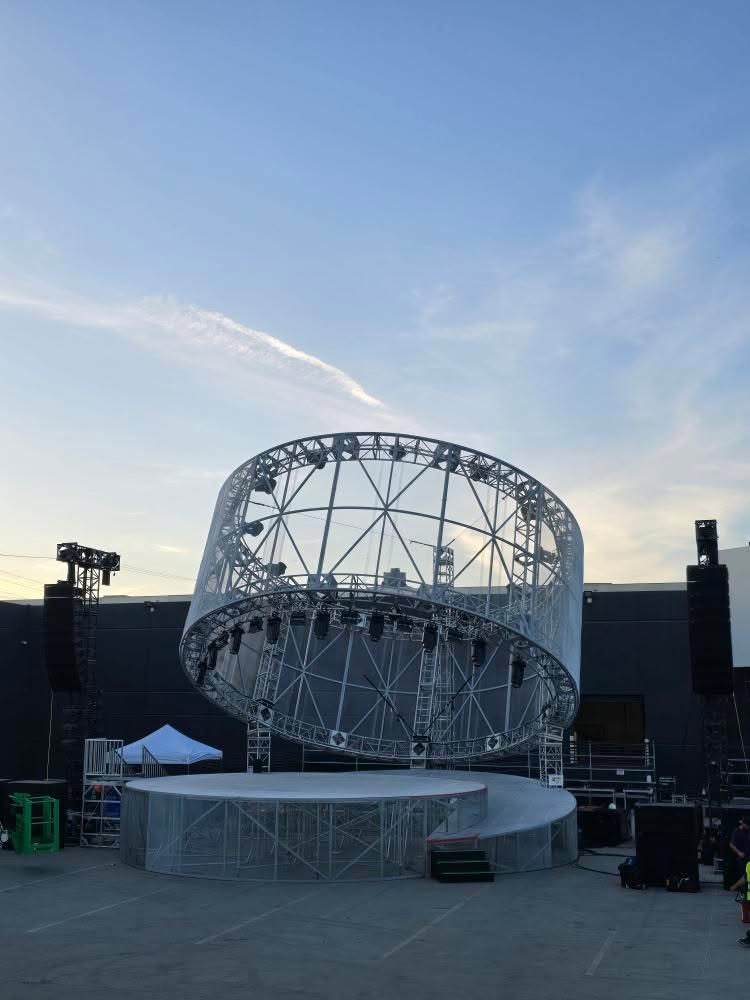
Concept, Coordination, Control, Culmination, and Closeout are the 5 C's of event management. And if you want a successful event, you need to follow this concept, especially when you're producing at scale in Los Angeles, Nashville, or Atlanta.
We will get you through the 5 C’s in more detail and provide tips about how you can successfully organize an event by following these.
The 5 C's are not really a checklist. They are a sequence, where each stage sets up the one after it. Skip ahead, and that is usually where a good event starts to wobble.
Concept
The concept is the "why" before the "what." Before anyone books a venue or hires a crew, you need to be clear on the purpose, the audience, and the feeling people should leave with.
A brand launch in a downtown warehouse looks nothing like a stadium tour stop, and the concept is what decides that. It sets your scale, your budget ceiling, and the kind of stage that can actually carry the idea. Leave this part vague, and every decision after it inherits the fog.
A strong concept answers three questions before you move on:
- What is this event actually for, in one sentence?
- Who is in the room, and what are they expecting?
- What is the one moment people should remember?
Coordination
Coordination is where the vision meets a calendar. This is the messy middle: budgets, timelines, vendors, permits, and the dozens of people who each hold one piece of the puzzle.
The bigger the event, the more this becomes about sequencing rather than tasks. A stage cannot go up until the trucks arrive, the trucks cannot unload until the venue is cleared, and lighting cannot fly until the truss is built. One late link and the whole chain slips.
This is also the stage where a good structural partner earns their keep. When your staging, decking, and truss come from one source instead of five, you remove a lot of the finger-pointing before it ever starts.
Control
Control is the C that separates the professionals from the optimists. It is the ongoing job of keeping the plan on budget, on schedule, and, above everything else, safe.
In a real production, control is not a spreadsheet you glance at now and then. It is load calculations, rigging plans, guardrails, and ballast that keep a structure standing when the wind picks up at an outdoor festival. Most guides skip this entirely, which is strange, because it is the part that quietly holds the whole event together.
Before you call the build "under control," you want honest answers to a few things:
- Are the load ratings signed off by an engineer?
- Does the structure meet local code in your city?
- Is there a real plan for weather, crowds, and the things you did not see coming?
Get this right, and nobody notices. Get it wrong, and it is the only thing anyone remembers.
Culmination
Culmination is the moment the doors open and months of work meet a live crowd. Everything the guest sees, the stage, the lights, the flow of the room, is the visible tip of an enormous iceberg.
The strange thing about a great culmination is that the hard work stays invisible. Nobody in the audience should ever think about how the stage was built. They should just feel that the whole thing works.
Your role shifts here too, from building to running the room. Check-in, timing, and the small saves that keep the show moving now matter more than anything on paper. If the first three C's were handled well, this is the part that finally feels easy.
Closeout
Closeout is the C everyone forgets, and the one that quietly decides whether you get hired again. It has two halves that rarely get talked about together.
The first half is physical, and it is the strike. Gear has to come down safely, load out cleanly, and leave the venue the way you found it, usually overnight and against the clock. This is real work with real risk, not an afterthought once the crowd goes home.
The second half is reflective, and it is the review. You gather feedback, measure the results against the goals you set in the concept phase, and write down what you would do differently.
A closeout worth doing looks at:
- What went to plan, and what did not?
- Did the event hit the purpose you started with?
- What is the one fix that makes next time smoother?
Bringing the 5 C's Together
The 5 C's work because they follow the natural life of an event, from the first idea to the last truck leaving the lot. Concept sets the vision, coordination builds the plan, and control keeps everything safe and on schedule. Culmination is the payoff in front of the crowd, and closeout is where you protect your reputation and set up the next win.
Rush one of these stages, and the cracks tend to show at the worst possible moment. Respect all five in order, and the whole process feels far less chaotic than it looks from the outside.
The framework only holds, though, when the build underneath it is solid. So whether you are producing in Los Angeles, Nashville, or Atlanta, master the five, back them with the right structure, and you end up with an event people actually remember.