
Broadcast Staging Cost in California: A Detailed Guide
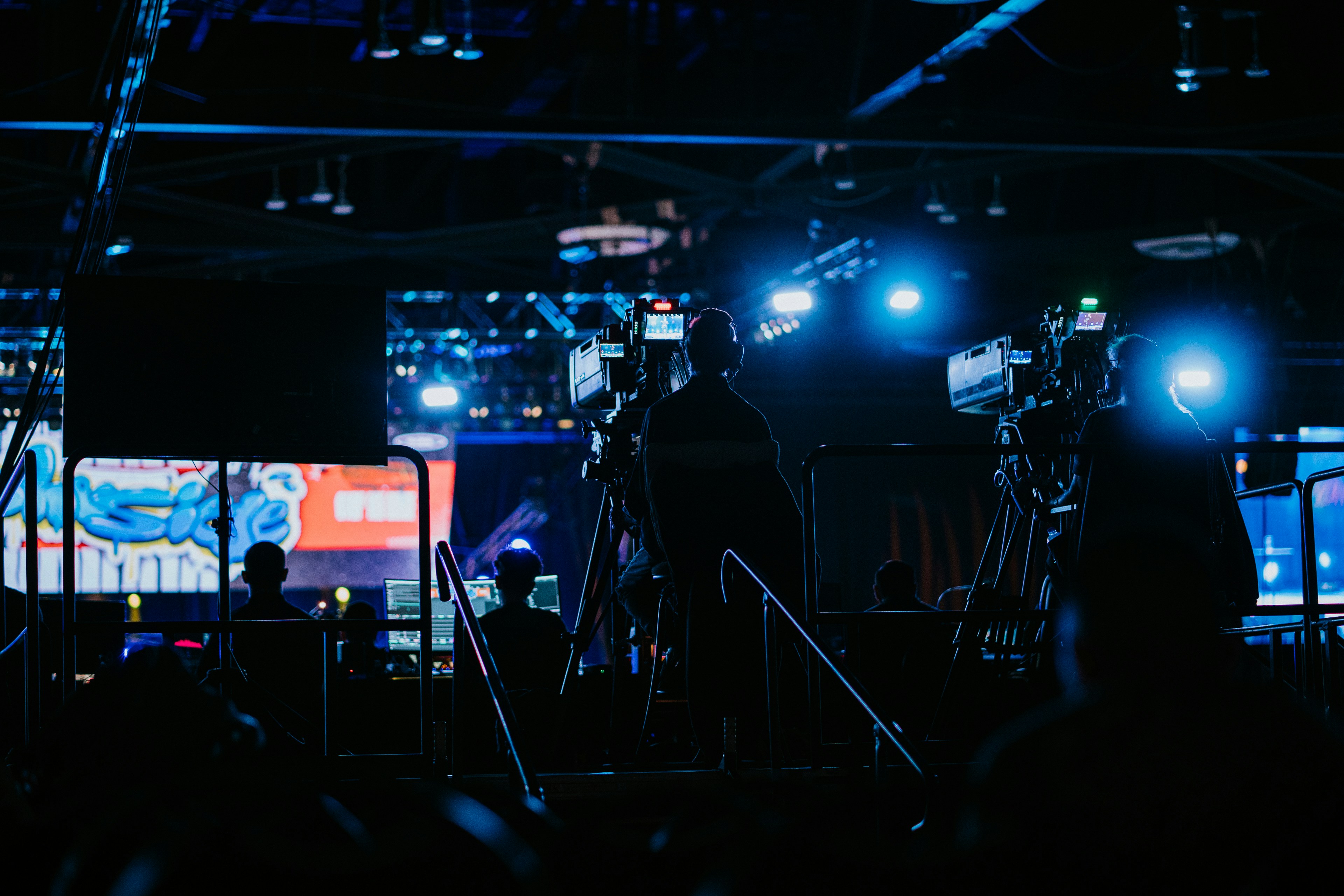
Renting a broadcasting stage in California is often one of your biggest expenses. On average, expect to pay $2,000 to $3,000 per day, or about $150 to $400 per hour statewide depending on the city, with Los Angeles at the upper end of that scale. Budget studios start near $500 daily, while major Los Angeles stages can exceed $5,000.
In this article, we will break down the broadcast staging cost in California for different cities and guide you through it.
Broadcast Staging Cost by City
Location changes the price more than anything else.
Los Angeles
LA is the most expensive market in the state, and also the deepest. Day rates for sound stages listed on booking platforms range from about $1,750 to $5,675. Hourly averages sit around $386, with smaller spaces closer to $300 and larger ones near $400.
The neighborhood matters a lot. South LA stages average about $239 an hour, Beverly Grove about $175, and Hancock Park about $162. Hollywood and Burbank charge a premium for being close to talent, crews, and rental houses.
San Francisco Bay Area
The Bay Area runs cheaper per hour than LA. North Beach stages average around $159 an hour, South San Francisco around $146, Berkeley around $152, and Burlingame around $178.
Just note that many Bay Area "stages" are converted studios, not true sound stages.
San Diego
San Diego is one of the better values in the state. Sound stages average about $103 an hour citywide, though popular areas like Bankers Hill average closer to $232. It's a solid pick for news, interviews, and sports content.
What Drives the Cost Up or Down
The listing rate is rarely what you end up paying:
- Booking length: Multi-day bookings often come with a 5 to 10 percent discount per day.
- Day of the week: In some Bay Area cities, booking midweek can cut the rate nearly in half. In others, weekends are the cheaper option, so always ask.
- Overtime: Running past your booked hours gets expensive fast, so build in a buffer.
- Insurance: Most stages require production insurance, which typically adds $300 to $1,000 per shoot day.
- Crew: A sound engineer alone can run $400 to $1,200 a day, and a production coordinator adds another $300 to $800.
The Cost Most Guides Leave Out: The Staging Itself
Here's what the studio listings won't tell you. An empty sound stage is just a box with a floor. A talk show, a news desk, a live music segment, or an awards broadcast needs real structure inside that box.
That usually means:
- Decks and risers: The platforms your talent, host desk, or band stands on. Price depends on square footage, height, and finish, like carpet, plexi, or wood.
- Stairs, guardrails, and ADA access: Anything elevated needs safe access, and accessible stage access is often required.
- Truss: The frame that holds lighting, LED walls, and scenic pieces when the stage has no rigging grid.
- Ballast: Ground-supported truss needs weight to stay put. On a studio floor, the wrong ballast can scratch or dent the surface, so ask what your vendor uses.
- Labor: Delivery, installation, and strike are often quoted separately.
When you request quotes, ask for one number that covers equipment, delivery, install, and strike. A low per-piece price means very little if labor doubles it later.
What to Look for in a Broadcasting Stage
A cheap stage that doesn't fit your show will cost you more in the end. Before you book, check these:
- True sound isolation: Plenty of spaces are marketed as stages but aren't soundproofed. If you're recording live audio, ask directly and read the reviews for complaints about street noise.
- Power: LED walls, lighting, and camera packages draw a lot. Confirm the stage's dedicated power before load-in day.
- Ceiling height and rigging: Know whether you can hang from a grid or need ground-supported truss.
- Load ratings: Ask your staging vendor for load ratings in writing. A set full of people, gear, and scenic pieces needs to be built for it.
- Camera-ready finish: Clean deck edges, hidden hardware, and tidy skirting matter on HD and 4K.
- Load-in access: Drive-on access, dock doors, and parking save hours of crew time, and crew time is money.
- What's included: Some stages bundle a grip package, internet, green rooms, and production offices. Others charge for each one.
Keeping Your Budget in Check
Broadcast staging costs in California swing widely, but they're predictable once you know what drives them. Book your stage early, get all-in quotes for the structure inside it, and leave room for overtime. Do that, and the number you budget will be close to the number you pay.